Best Fitness Trackers for Everyday Wear
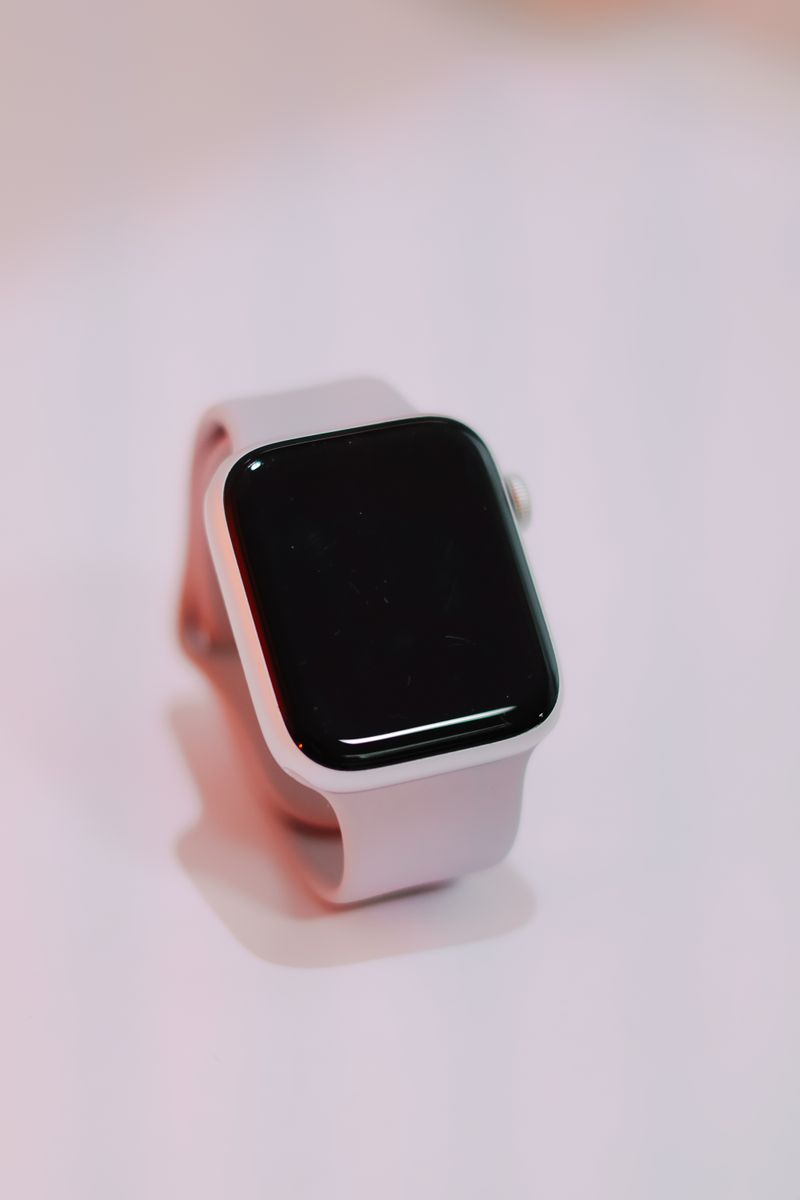
A fitness tracker is the smarter choice than a smartwatch for a lot of people: it's lighter, cheaper, and lasts a week on a charge while tracking the things you actually care about — steps, sleep, and workouts.
What a tracker does well
Trackers nail the fundamentals. Step counting, sleep stages, resting heart rate, and workout detection are mature and accurate on even budget bands. What you give up is the app ecosystem and a big screen.
The always-on small screen is a plus for many people: you glance at it like a watch, and it disappears the rest of the time. A smartwatch constantly buzzing for your attention is a feature some people genuinely don't want.
Key specs
- Battery: 7 to 14 days is standard; don't accept less
- Heart-rate and SpO2 sensors built in
- Water resistance for swim tracking if you swim
- GPS for accurate outdoor runs without your phone
Check whether the band has built-in GPS or relies on your phone. Built-in GPS costs more but gives you accurate pace and route data when you run without a phone.
Who should buy one
A tracker suits you if you want fitness and sleep data, a long battery, and a subtle device. A smartwatch suits you if you want apps, calls, and a richer screen. For many, the tracker is the one they'll actually keep wearing.
Spend $50 to $130. Below that, sensors are unreliable; above that, you're paying for smartwatch features you may not use.