Best Wrist Rests for Keyboard and Mouse
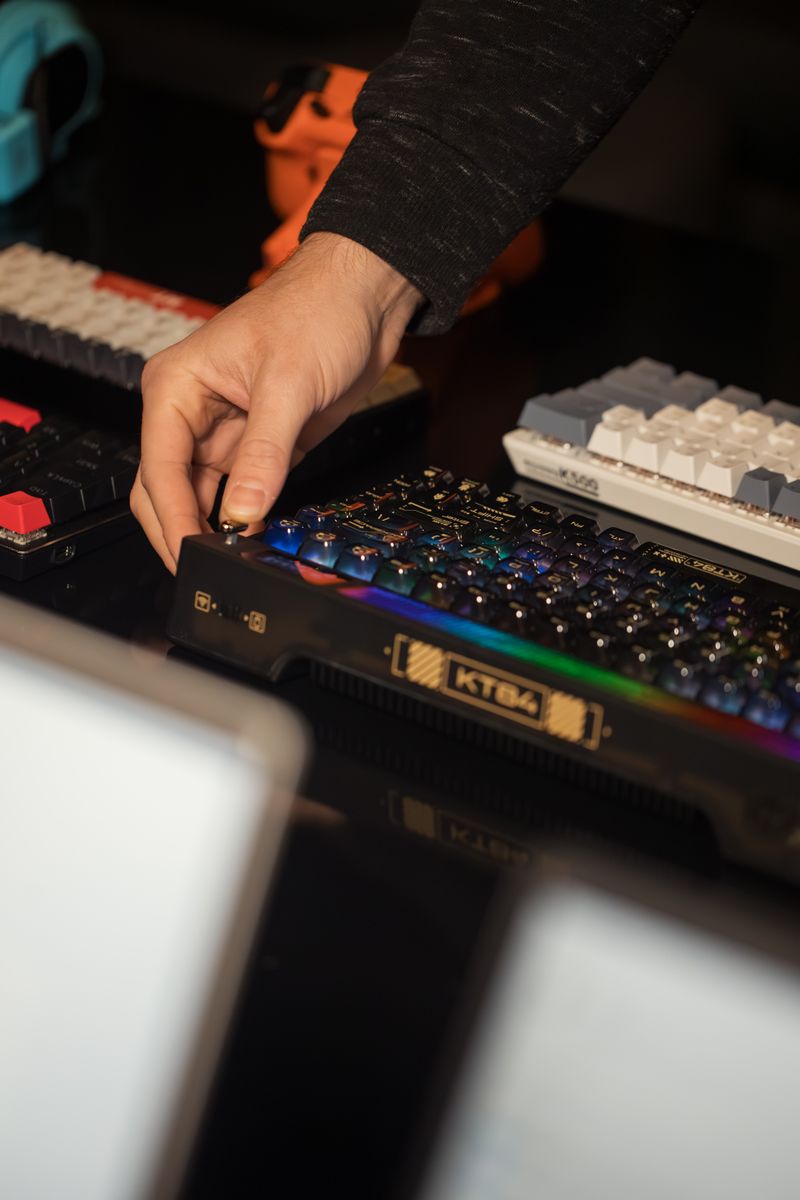
A wrist rest does one thing well: it lowers the angle your wrist bends while typing, which takes pressure off the forearm. It will not fix pain that comes from a bad chair or a desk at the wrong height. Buy a low, firm rest that matches your keyboard's height, because a squishy gel pillow sinks and forces your wrist to curl upward. Height matters more than material.
The one spec that actually matters
The rest's height should land within 2 to 3mm of your keyboard's front edge. A mechanical keyboard's front edge sits around 20mm high, while a low-profile board is closer to 12mm. If the rest sits taller than the keys, you lift your hand instead of relaxing it, which makes the pain worse.
- Match the rest height to your keyboard front edge, within 2-3mm
- Firm memory foam or wood holds shape; gel bottoms out and forces wrist extension
- A non-slip rubber base, because a rest that slides helps nobody
When to skip the rest entirely
If your wrist or forearm already hurts, a rest can mask a posture problem instead of fixing it. Raise your chair so your elbows bend near 90 degrees and your forearms are level with the desk first. The rest is a complement to that position, and a separate small beanbag-style pad works well for the mouse hand. Expect to spend $10 to $30; the pricier rests are taller, wider, or machined wood, and none of that helps if the height is wrong.