How to Tell If a Charger Is Safe to Use
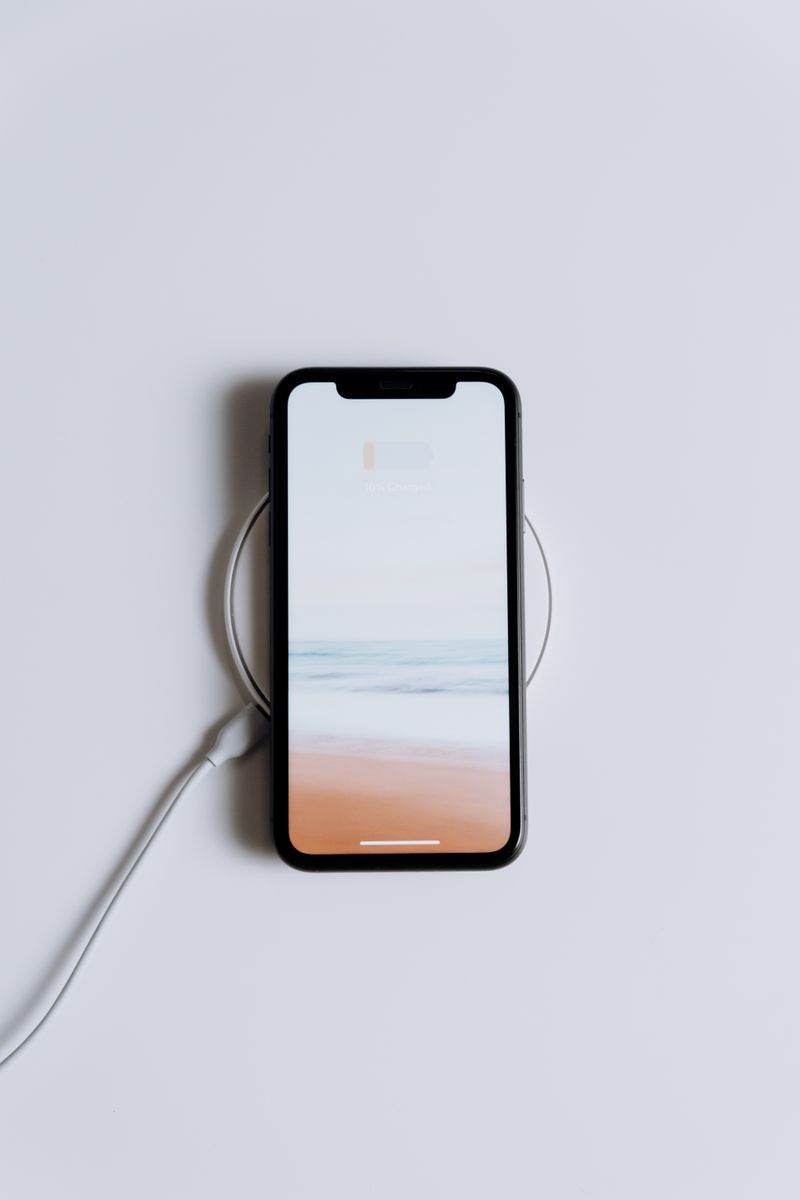
A charger connects directly to mains power, so a poorly made one is a genuine safety risk. Cheap no-name chargers have caused fires and damaged devices. Knowing what to check protects both.
Look for certification marks
Legitimate chargers carry safety certification marks like UL, CE, or ETL. These indicate the charger passed safety testing. A charger with no certification mark, or a fake-looking one, is a red flag.
The warning signs
- A charger that gets unusually hot during normal use
- Buzzing, hissing, or a burnt smell while charging
- Flimsy construction, loose plugs, or a too-light feel
- A price far below the going rate for the wattage
What to buy
Buy chargers from known brands or from retailers you trust, and check for a real certification mark. Counterfeit chargers often mimic brand names, so buy from official sources when you can.
The rule is simple: never buy the cheapest no-name charger you can find. A certified charger costs a few dollars more and removes the risk of damaging your phone or your home.