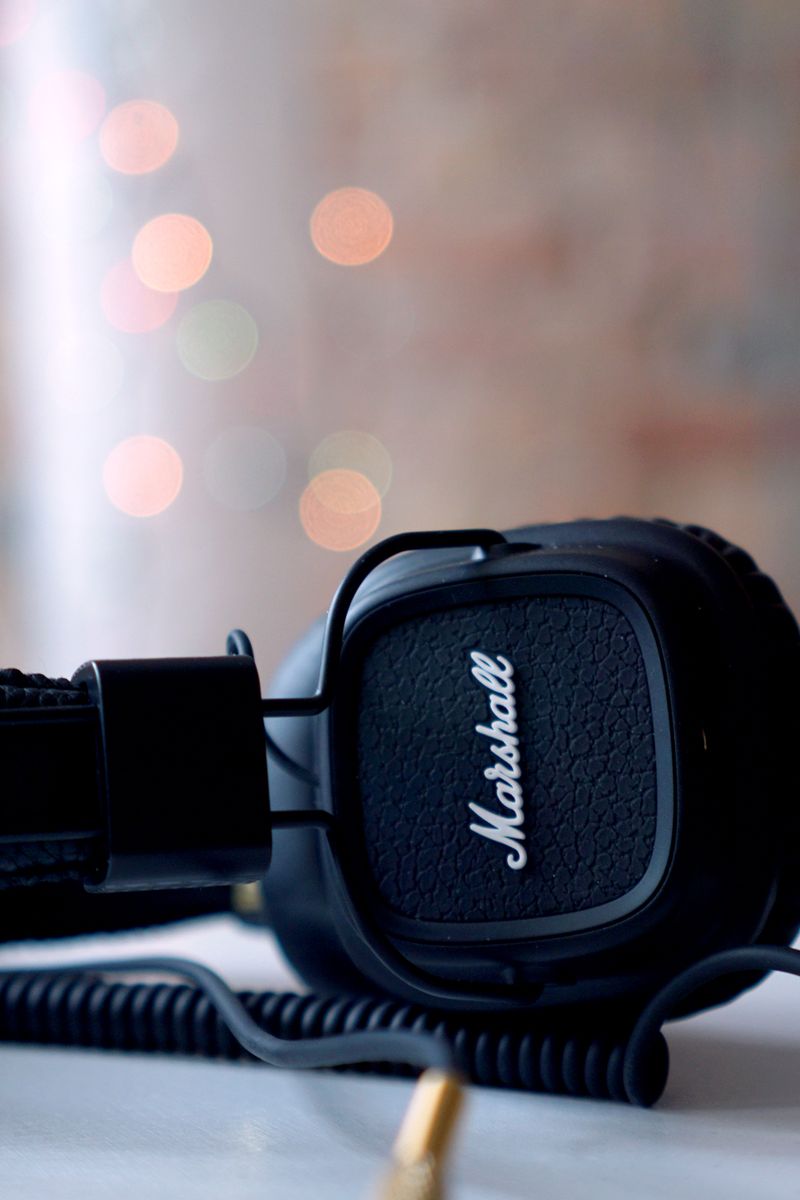
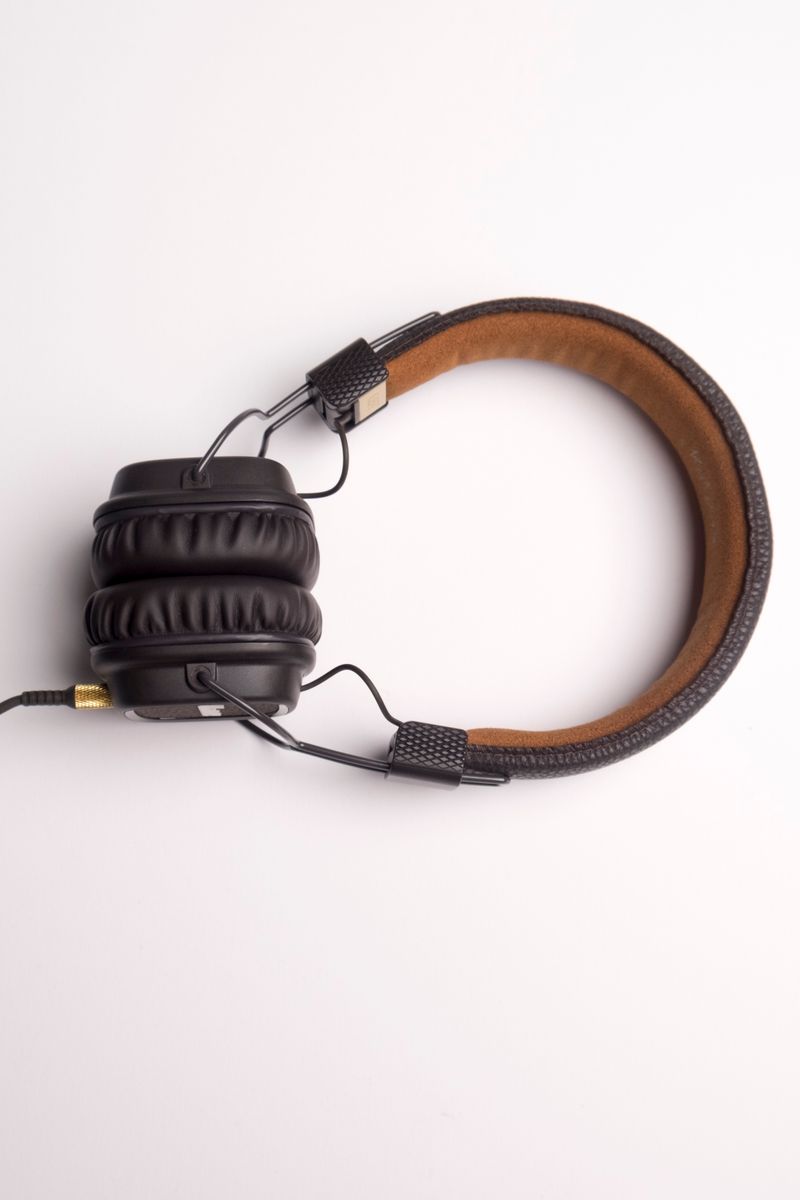
Over-Ear vs On-Ear Headphones: Which Should You Buy?
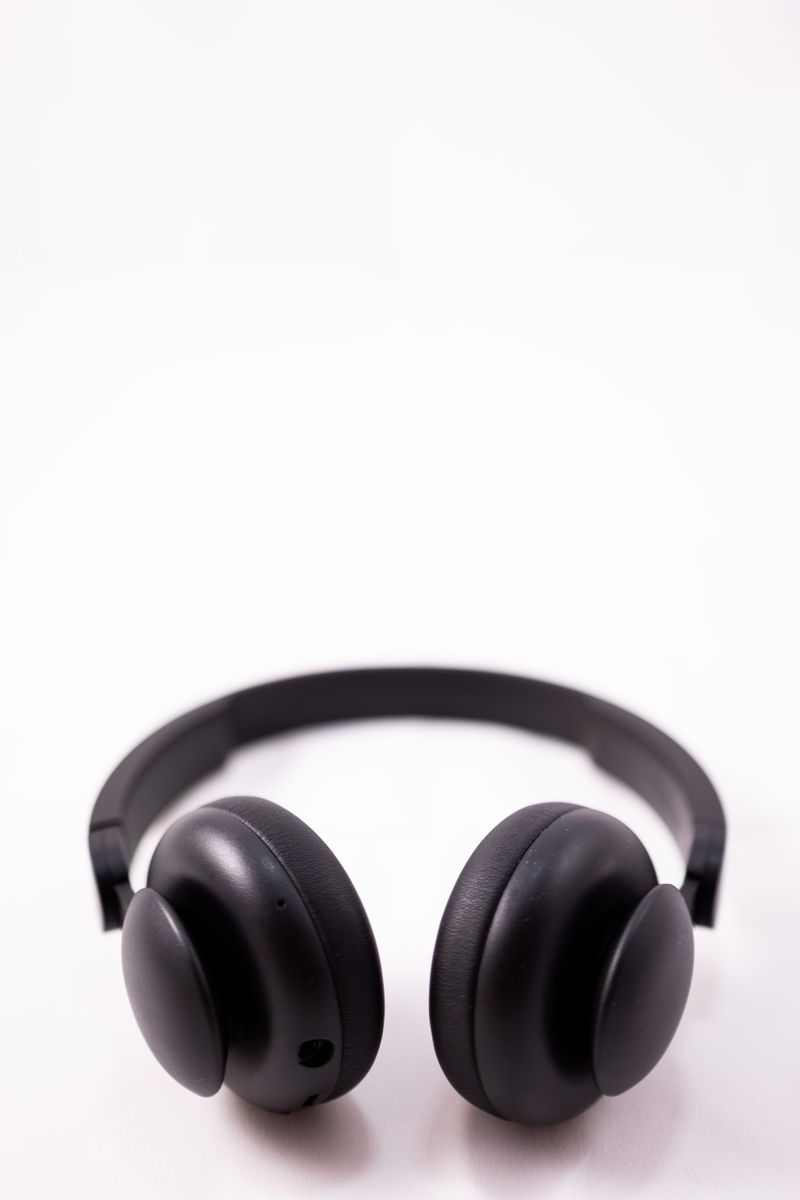
Over-ear headphones cup your entire ear, while on-ear headphones rest on top of it. The difference sounds minor but changes everything about comfort, isolation, and how they fit into your day.
Comfort is the real difference
Over-ear models distribute pressure around your ears, which makes them the better choice for long sessions at a desk or on a flight. On-ear models press against the ear itself, so they're lighter and more compact but can get uncomfortable after an hour.
If you wear glasses, on-ear pads tend to pinch the arms against your head. Over-ear pads clear the frame more easily, which is often the deciding factor for glasses wearers.
Sound and isolation
Over-ear headphones generally produce fuller bass and block more outside noise, both because of the larger drivers and the seal around the ear. On-ear models leak more sound in and out, which matters in offices and on transit.
For noise cancellation, over-ear is the clear winner. Active noise cancellation works best when there's a physical seal, and on-ear designs simply can't match it.
Portability and use case
- Choose on-ear if you want something light to throw in a bag for short commutes
- Choose over-ear if you sit at a desk, fly often, or want real noise cancellation
- Choose in-ear (earbuds) if portability and sweat resistance come first
The short version: on-ear for portability, over-ear for comfort and sound. Most people who buy on-ear headphones eventually wish they had the over-ear version for the same commute — unless weight is the top priority.