Tempered Glass vs. Film Screen Protector: Which One Actually Protects Your Phone?
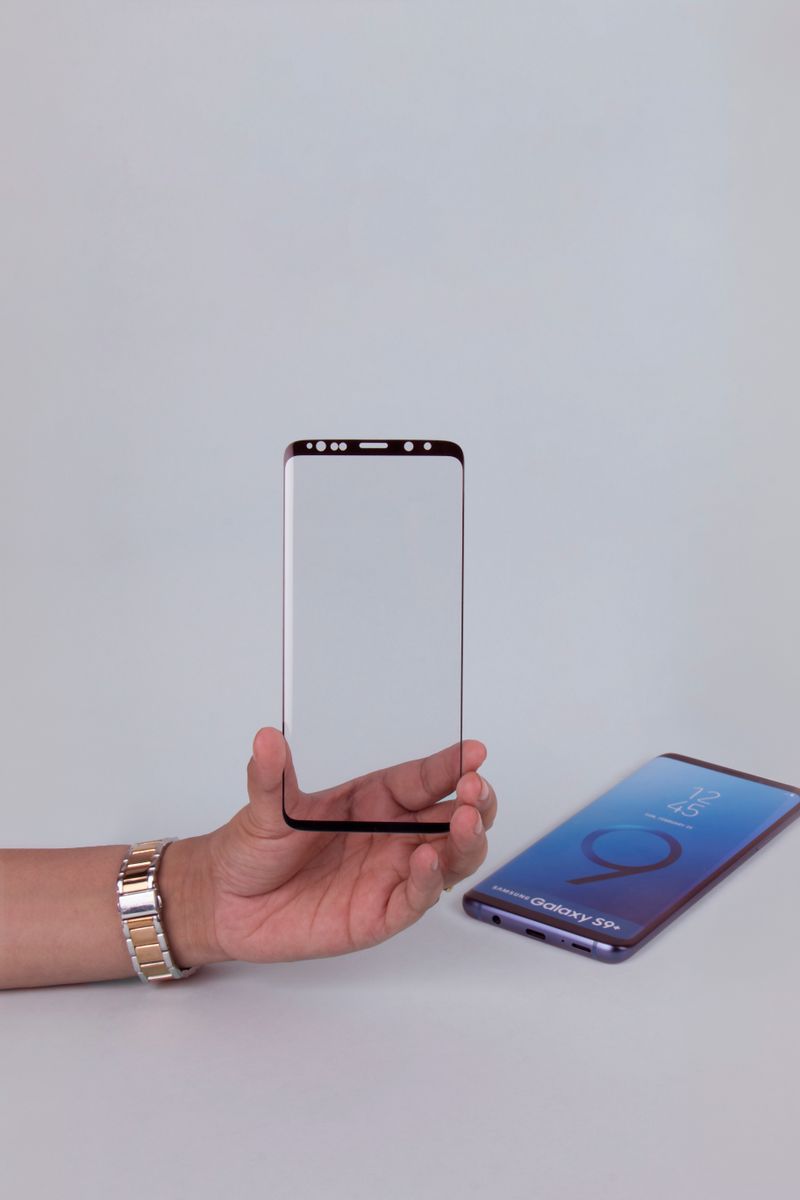
Buy tempered glass if you drop your phone on hard floors, and buy film only when scratches are your real problem. Tempered glass is 9H and absorbs most of the force from a face-down drop, but it is thicker and cracks on hard impact. Film is thin and nearly invisible but does nothing for drops, so it fits people who slide a phone in and out of a pocket with keys and coins.
What the 9H rating really means
The 9H rating on glass measures scratch resistance, not drop protection. It means keys and coins will not scratch the surface, but what saves a screen in a drop is the glass cracking before the display does. A typical tempered glass protector is 0.3mm thick; a film protector is about 0.15mm, which is why glass cracks and film flexes.
- Tempered glass: absorbs face-down drops onto concrete and tile, and you expect it to crack instead of your screen
- PET or TPU film: resists scratches and shallow scuffs, stays nearly invisible at the edges, adds almost no bulk
- Curved screens: film wraps the edge, while glass often leaves a visible halo gap where it will not sit flat
Bottom line
For most people the answer is tempered glass, because a cracked protector is cheaper to replace than a cracked screen. Pick a glass protector with an oleophobic coating and a full-coverage fit that names your exact phone model. If your case already has a raised lip and you mostly worry about pocket scratches, a matte or self-healing TPU film is the better trade.