What Is a DAC and Do You Need One?
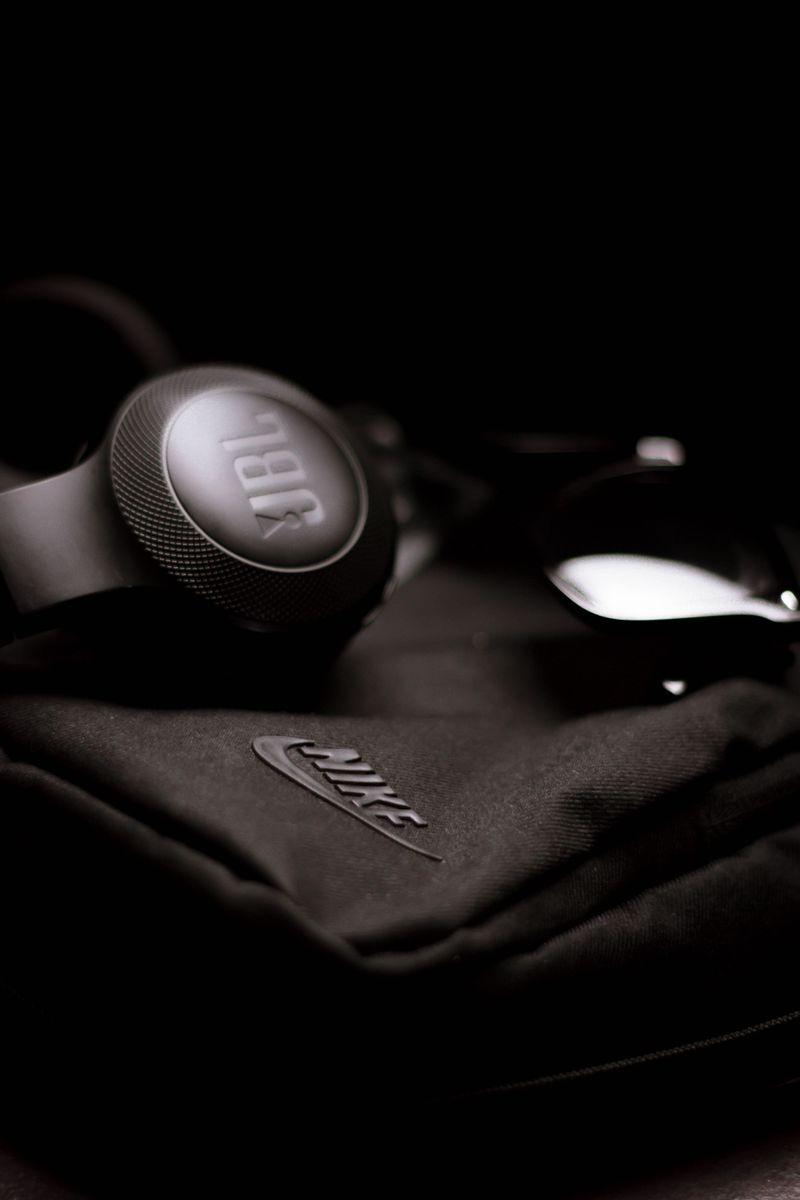
Every device you play music through already has a digital-to-analog converter, and for most people an external DAC changes nothing you can hear. A separate DAC is worth buying in three cases: your laptop has audible hiss or static, your headphones are too quiet, or you own high-impedance headphones over about 80 ohms that a phone jack cannot drive.
What a DAC actually does
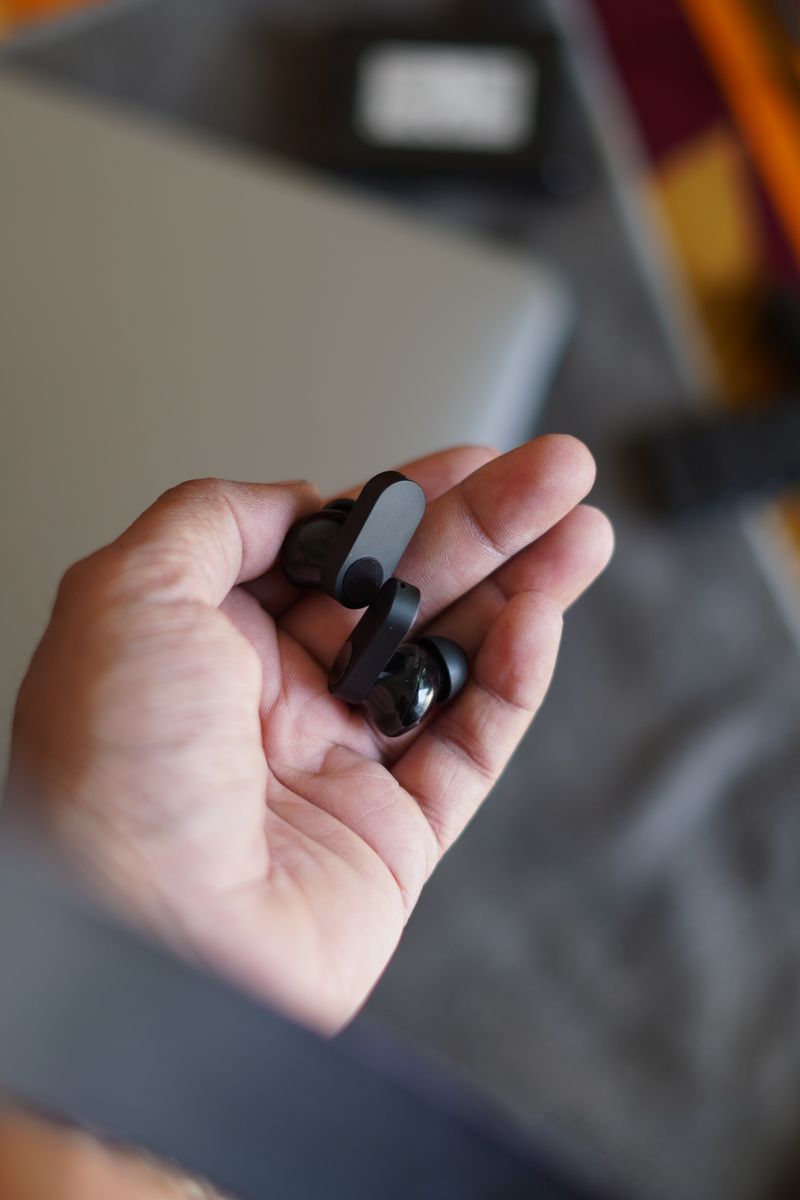
Music is stored as ones and zeros, and your headphones need an analog signal, so a chip converts between the two. Every phone, laptop, and pair of wireless earbuds has this chip built in, which is why a standalone DAC only matters when the built-in one is bad or too weak.
- A $10 USB-C dongle from Apple or Anker fixes hiss and raises volume for most earbuds and IEMs
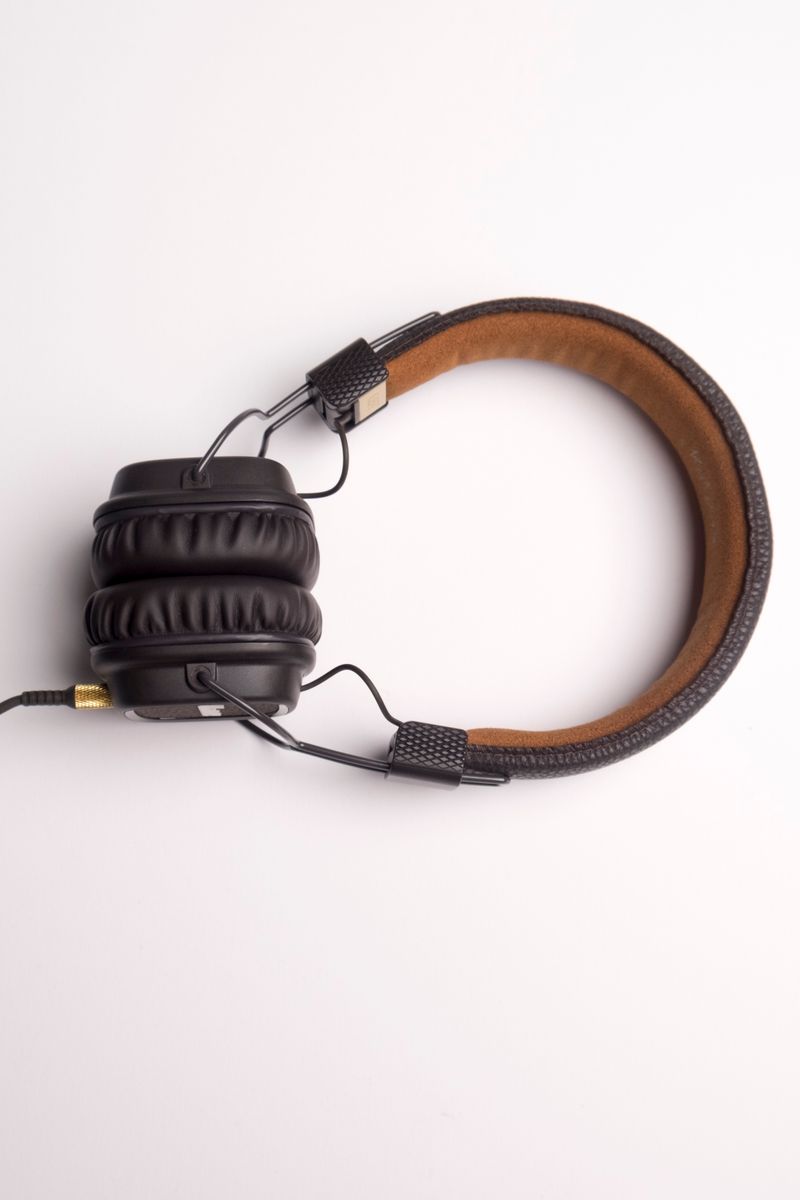
- A desktop DAC and amp makes sense only with headphones rated above 80 ohms, like the Sennheiser HD 6XX
The spec that matters, and the ones to ignore
Ignore bit-depth and sample-rate marketing. Anything beyond 24-bit/48 kHz is inaudible, because the human ear tops out around 20 kHz and 16-bit already covers the full dynamic range of recorded music. The number that actually matters is output power into your headphone's impedance, printed in milliwatts.
So the rule is simple: if you hear hiss, your headphones are too quiet, or your cans are over 80 ohms, a $10 dongle or a $100 desktop amp fixes it. If your current setup sounds clean and loud, a DAC will cost you money and change nothing.