What Is USB Power Delivery (PD) and Why It Matters
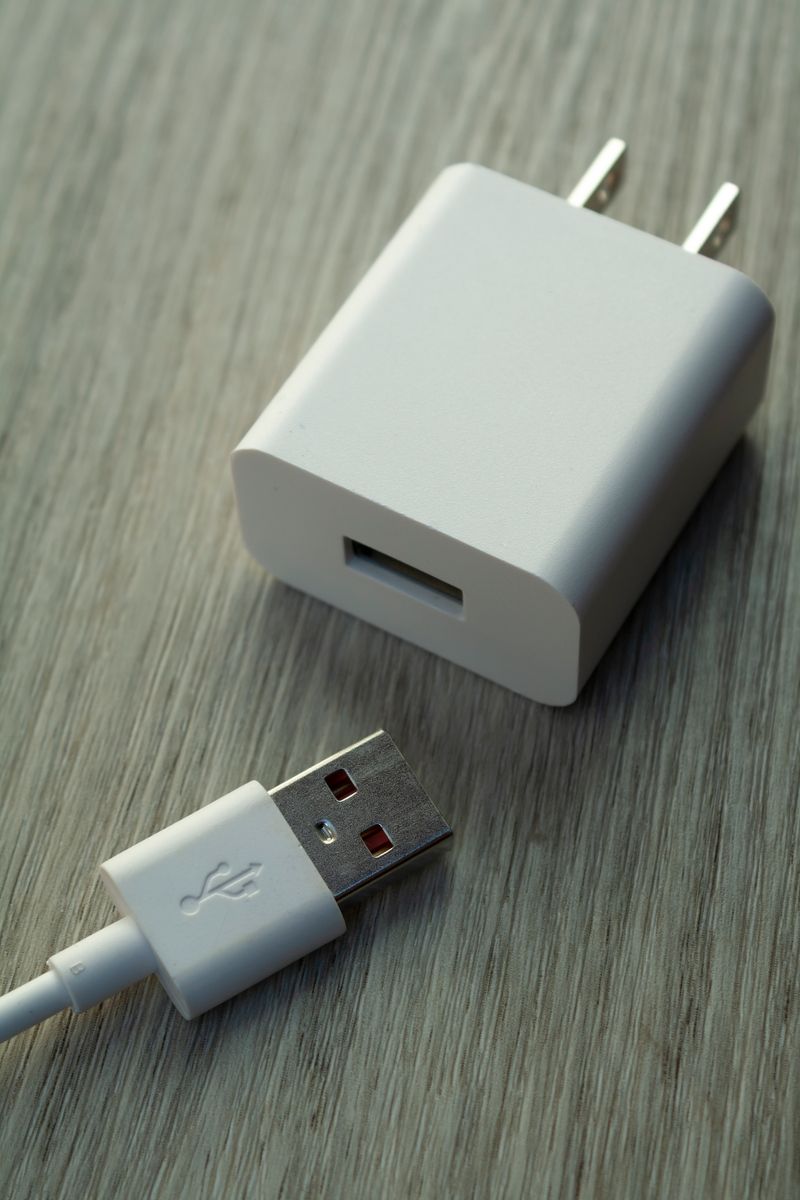
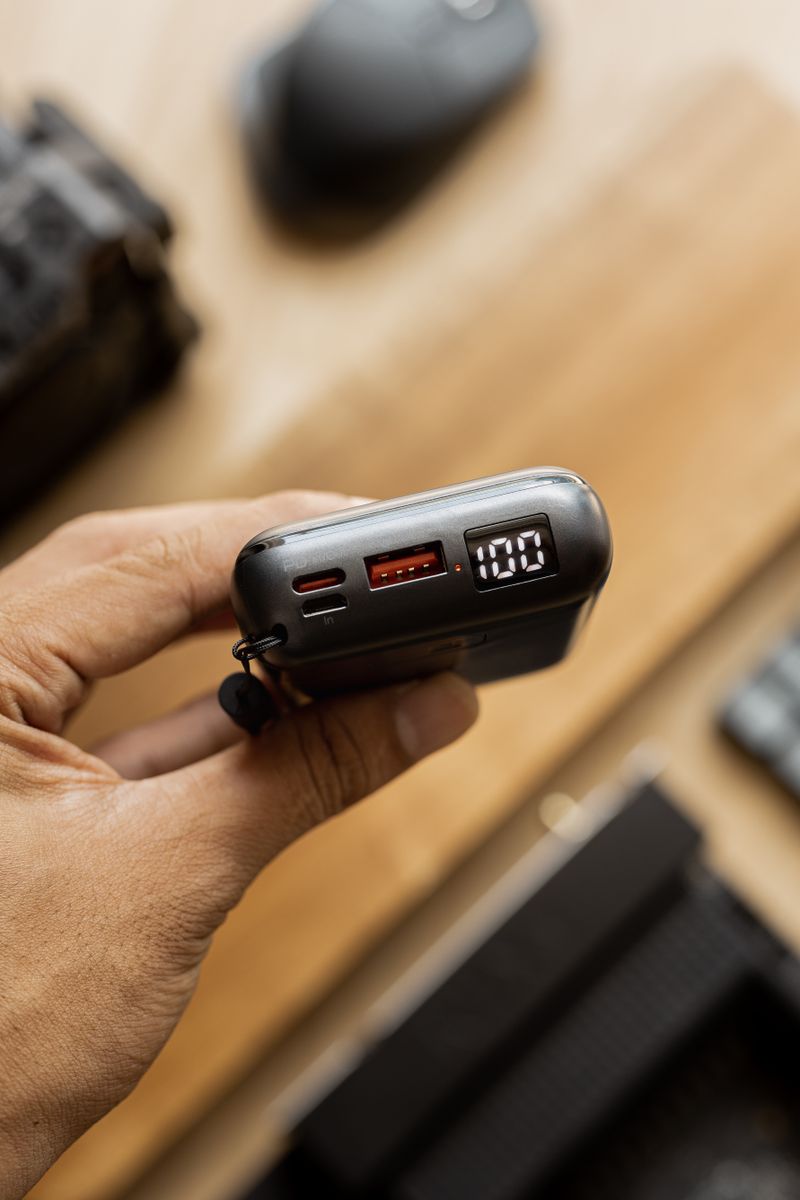
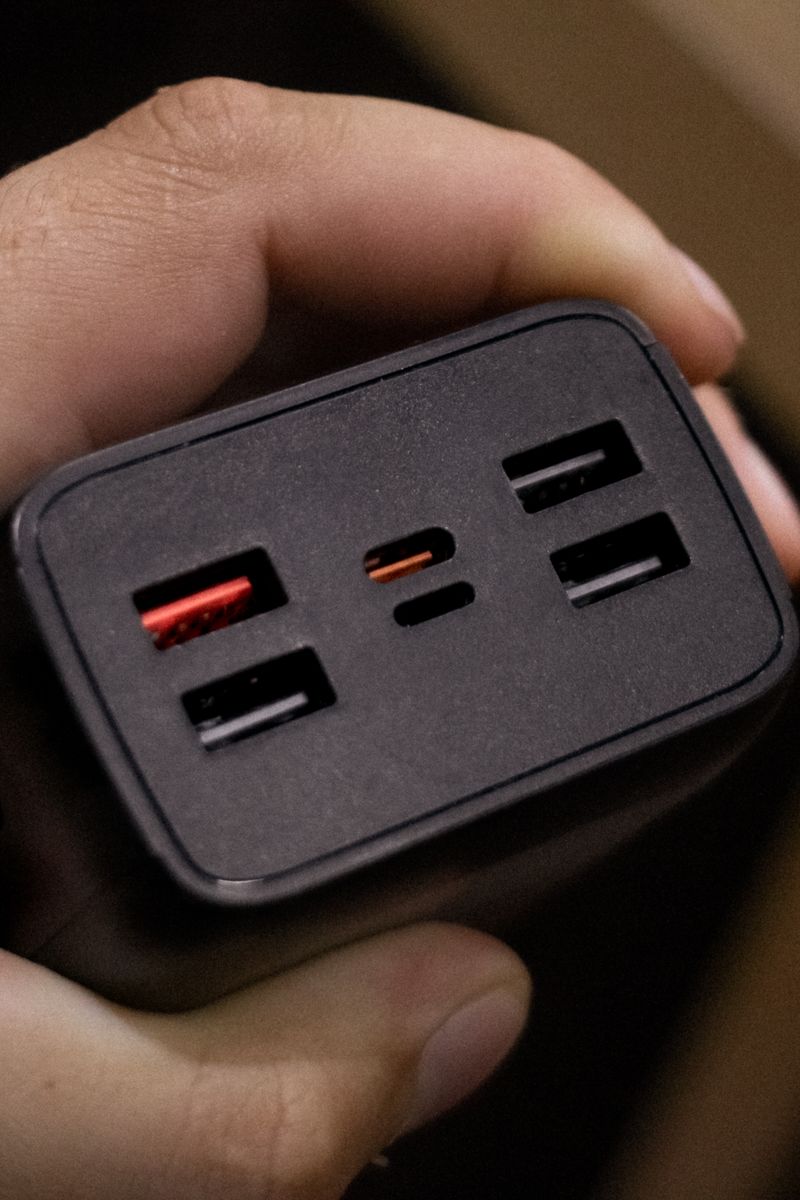
USB Power Delivery, usually called PD, is the standard that lets a USB-C charger and a phone or laptop agree on how much power to send, up to 240 W. If a phone charges slowly on a charger rated for more watts, the charger, cable, or phone is missing PD support. A single 65 W PD charger plus a 100 W rated USB-C cable covers nearly every phone and most thin laptops.
How Power Delivery negotiates power
Before any real power flows, the charger and device exchange a short message over the USB-C connection and settle on a voltage and current. PD starts at 5 V and steps up through 9 V, 15 V, and 20 V, with 240 W devices adding 28 V, 36 V, and 48 V. Since watts equal volts times amps, raising the voltage is what lets a slim cable carry 100 W without overheating.
- PD 2.0 tops out at 100 W, at 20 V and 5 A
- PD 3.0 keeps the 100 W limit and adds better cable safety checks
- PD 3.1 raises the ceiling to 240 W, at 48 V and 5 A
- Phones typically pull 18 to 45 W, laptops 45 to 100 W
How to buy the right charger and cable
A PD link is only as fast as its weakest part. Cables carrying up to 60 W work on nearly any USB-C cord, but 100 W or 240 W needs a cable rated for it, because the cable carries an e-marker chip that reports its limit to the charger. To confirm a charger supports PD, look for 9 V or 15 V in its output list, or the words USB PD or Power Delivery. For phones, pick at least 9 V at 3 A (27 W); for laptops, 20 V at 3 A (60 W) or higher.
The honest take
For most people, one 65 W GaN PD charger and one 100 W rated USB-C cable replace every charger in the bag. That pair tops up a phone in under an hour and runs a thin laptop from a wall outlet. A 240 W charger only pays off for gaming laptops, and it costs a clear premium.