Best Portable Power Banks for Travel and Everyday Carry
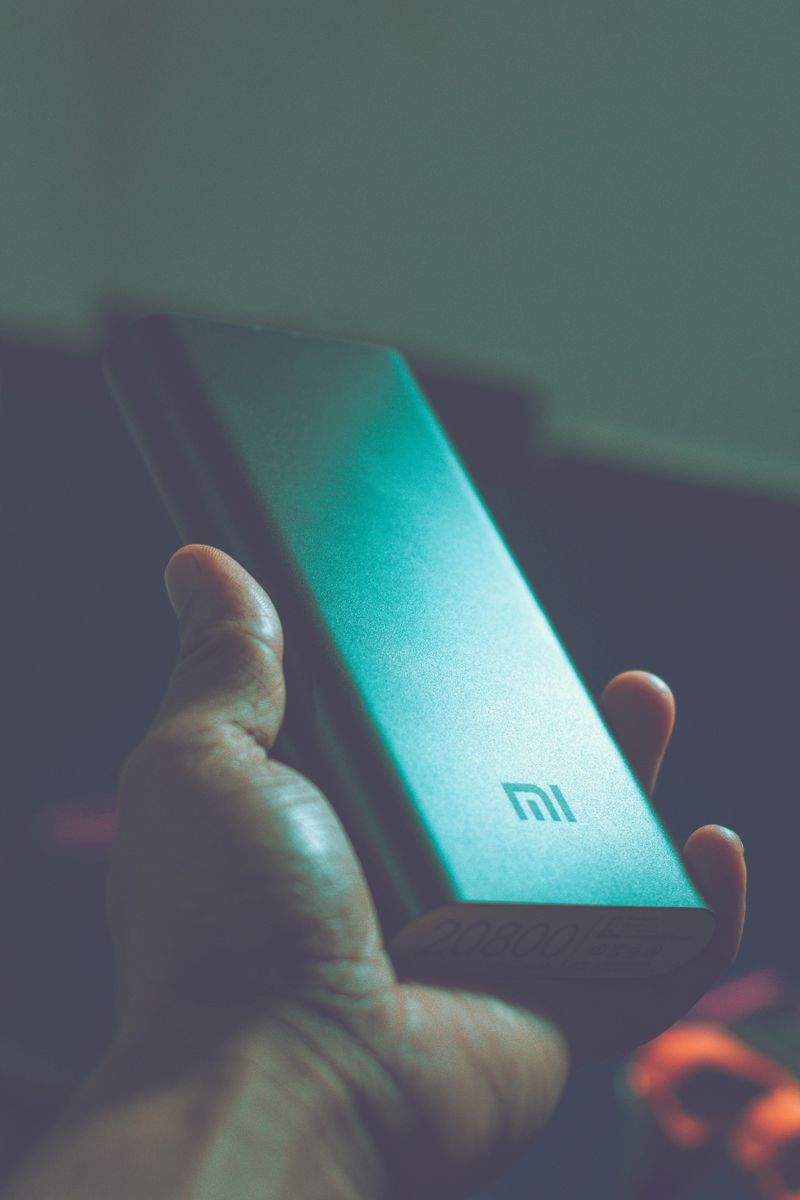
Capacity and output speed are the only two specs that really matter on a power bank, but both are marketed in confusing ways. Here's how to read them so you don't overpay or end up with a brick that charges slower than your wall charger.
Capacity: what mAh really means
A phone battery holds roughly 4,000 to 5,000 mAh. Because of conversion losses, a 10,000 mAh power bank delivers about two-thirds of its rated capacity to your phone — enough for about one and a half full charges.
- 10,000 mAh: one to two charges, pocket-sized, the best daily carry
- 20,000 mAh: three to four charges, the sweet spot for travel
- 26,800 mAh: the largest you can carry on most airlines
Output speed matters more than capacity
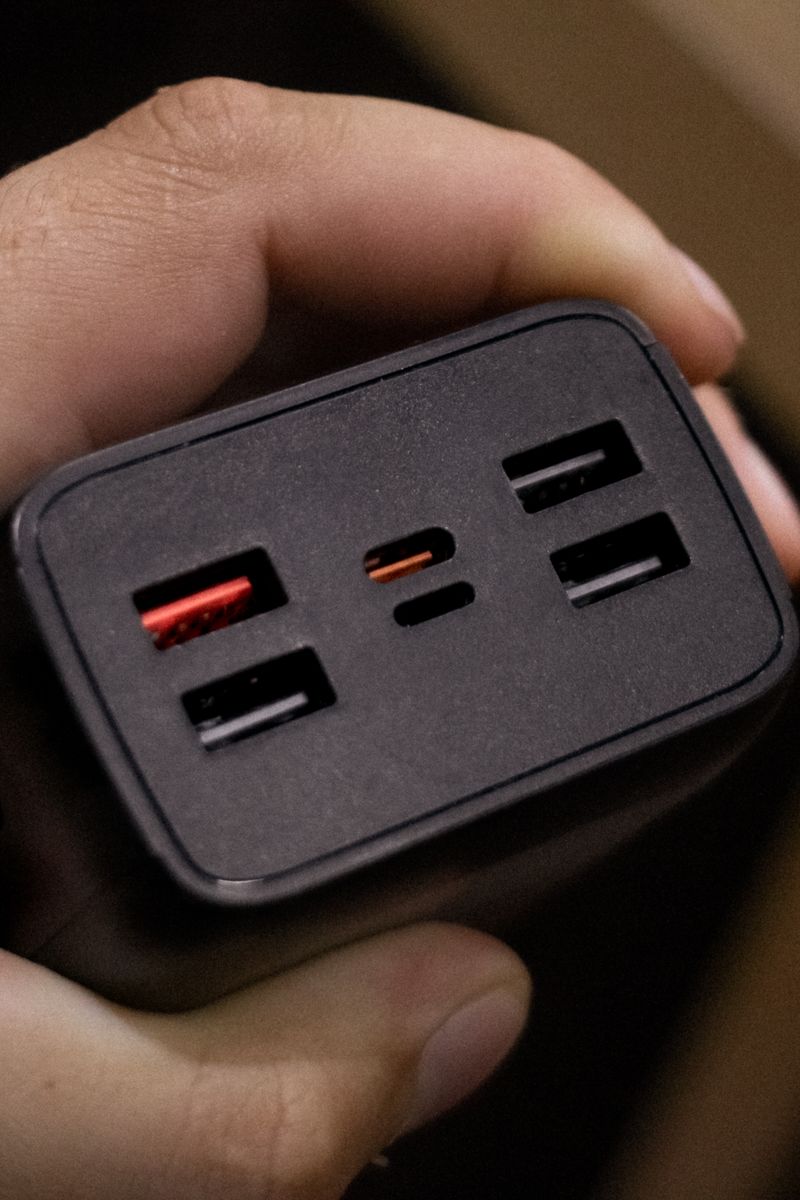
Look for a power bank with USB-C Power Delivery (PD) and at least 18W output, or your phone will charge at a trickle. For fast-charging iPhones and Androids, 20W to 30W output is the practical minimum.
Many cheap power banks list 20,000 mAh but only output 10W. That means a slow, frustrating charge every time. Output wattage, not capacity, is the number to verify first.
Features worth having
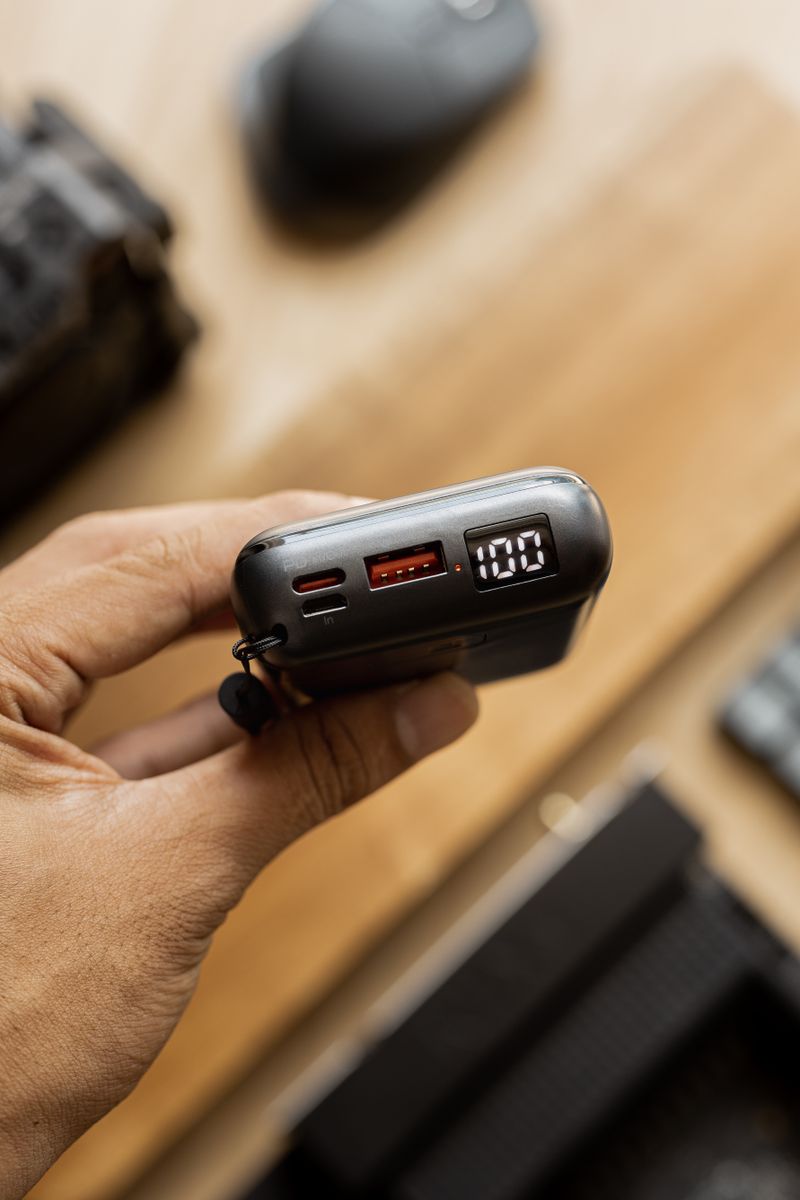
A built-in USB-C cable and pass-through charging (charging the bank while it charges your phone) are genuinely useful. A digital percentage display beats four blinking dots. Skip solar panels and wireless charging pads on budget banks — they're inefficient and add bulk.
Buy one good 20,000 mAh bank with 30W PD instead of two cheap 10,000 mAh ones. It charges faster, lasts through a full travel day, and won't need replacing in a year.